Culture
What Ramadan Changes About Travel in Morocco
25 FEBRUARY 2026
The day inverts
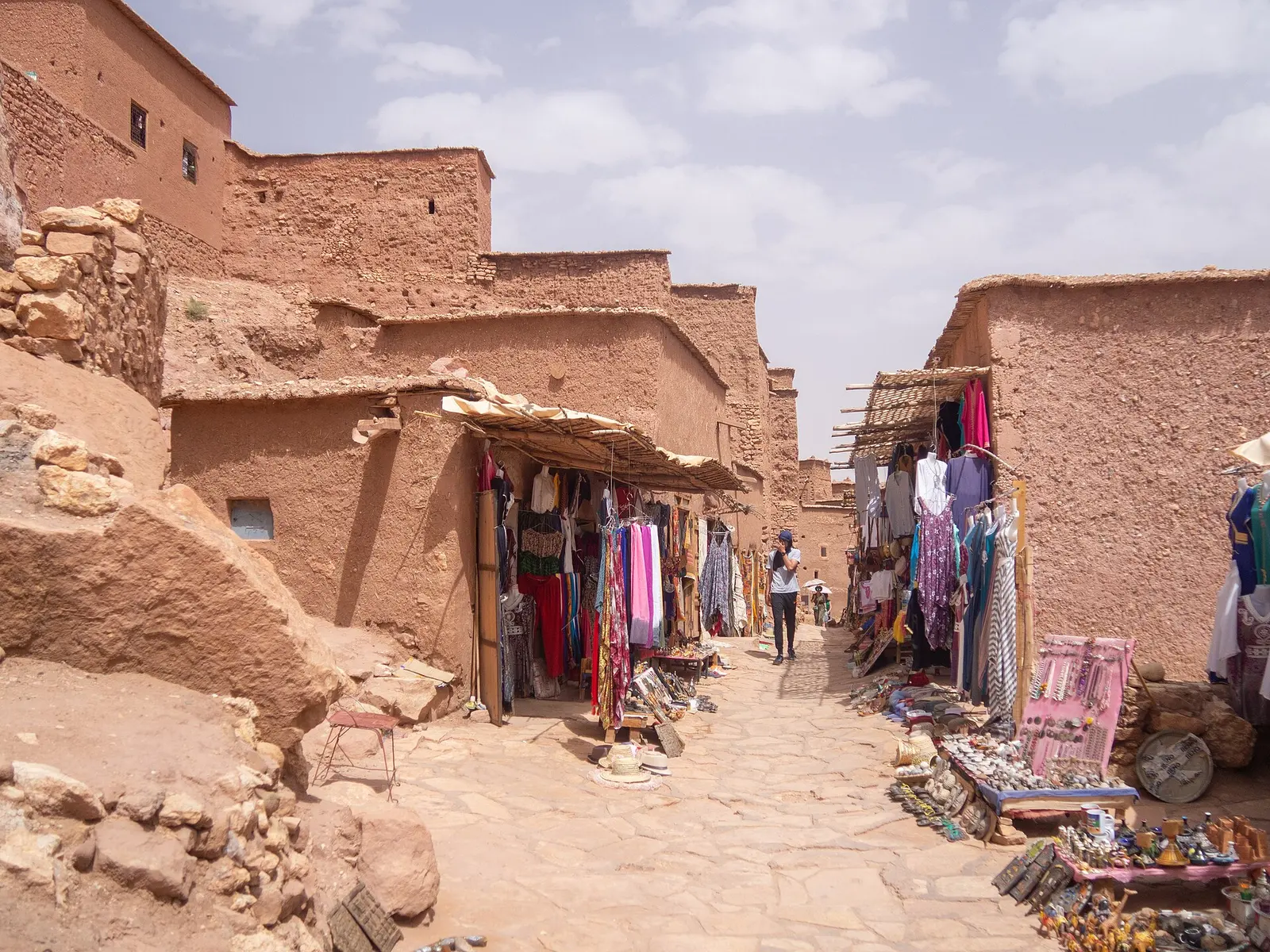
During Ramadan, observant Muslims fast from first light to sunset, and in Morocco that reshapes the whole daily rhythm, not just meal times. Mornings move slowly — shops open later, the medina is quieter than usual — and the day builds toward iftar, the sunset meal that breaks the fast, after which streets that were subdued an hour earlier fill with people, food stalls, and a genuinely festive energy that runs late into the night.
Travelling through this rhythm rather than around it means adjusting expectations. A midday walk through the souks will find fewer stalls open and a slower pace generally; the same walk after sunset finds the same streets transformed.
Eating as a visitor
Restaurants catering to tourists generally stay open through the day, but it's worth being conscious of eating and drinking in public during fasting hours, particularly outside the main tourist areas — not because it's prohibited for visitors, but because a measure of discretion is simply good manners in a place where most people around you haven't eaten since before dawn. Riads typically handle this well, serving breakfast privately and adjusting timing for guests.
The iftar meal itself is worth arranging, if a guide or riad can set it up with a local family — dates and harira soup first, to break the fast gently, then a fuller meal after. It's one of the more direct ways to be invited into a Moroccan household during the trip.
What gets busier, and what gets quieter
Ramadan evenings in Marrakech's Jemaa el-Fna square are livelier than at any other time of year — food stalls multiply, and the square fills later and stays full longer. By contrast, some rural areas and smaller towns slow down considerably during the day, with reduced hours at cafes and some sites.
Practical adjustments
Guides and drivers observing the fast will typically still work full days, but it's worth building in slightly more flexibility around midday and expecting an earlier stop before sunset so the crew can break their fast properly. It's also worth noting that Ramadan's dates shift each year against the Gregorian calendar, moving roughly eleven days earlier annually, so a trip planned two years apart at the "same time of year" may land in a completely different relationship to the fasting month.
The trade-off is worth it
None of this is a reason to avoid travelling during Ramadan — if anything, the evenings are more alive than at any other time of year, and the hospitality, once extended, tends to be warmer for the effort of noticing the season you're travelling in. It simply changes what a well-run day looks like, and a good guide plans around that rather than against it.