Field Notes
The Case for Slow Travel in the Sacred Valley
20 MARCH 2026
The itinerary nobody wants to hear
Every traveller planning a Peru trip wants to talk about the trek — which route, how many days, whether it ends at Machu Picchu's Sun Gate. Almost nobody wants to talk about the three days before it, spent in the Sacred Valley at a relatively gentle 2,800 metres, doing very little that looks like the point of the trip. That's the part worth defending.
What altitude actually does
Cusco sits at 3,400 metres, high enough that a significant share of visitors who fly in and start walking the next day feel it — headaches, poor sleep, a breathlessness that has nothing to do with fitness. The standard advice, to spend two or three days acclimatising before serious exertion, is not caution for its own sake; the body genuinely produces more red blood cells over that window, and the difference shows up on the trail days later as the gap between struggling on a gentle incline and moving normally at 4,000 metres.
Where those days actually go
We spend the acclimatisation window in the Sacred Valley itself, lower than Cusco, rather than in the city. Days include a walk through the Pisac ruins and market, a visit to the salt pans at Maras still worked by hand using pre-Incan channels, and an afternoon at Moray's circular agricultural terraces, each ring a different microclimate. None of this is filler. It's some of the trip's most interesting archaeology, and it happens to also be the correct altitude preparation.
The trek benefits directly
By the time the four-day trek starts, on the Lares route rather than the more crowded classic Inca Trail, the group is genuinely acclimatised rather than pushing through the first days on adrenaline. That changes the character of the trek itself — less about survival, more about noticing the villages along the route, the alpaca herds, the pass at 4,450 metres taken at a pace where conversation is still possible.
The dawn at Machu Picchu
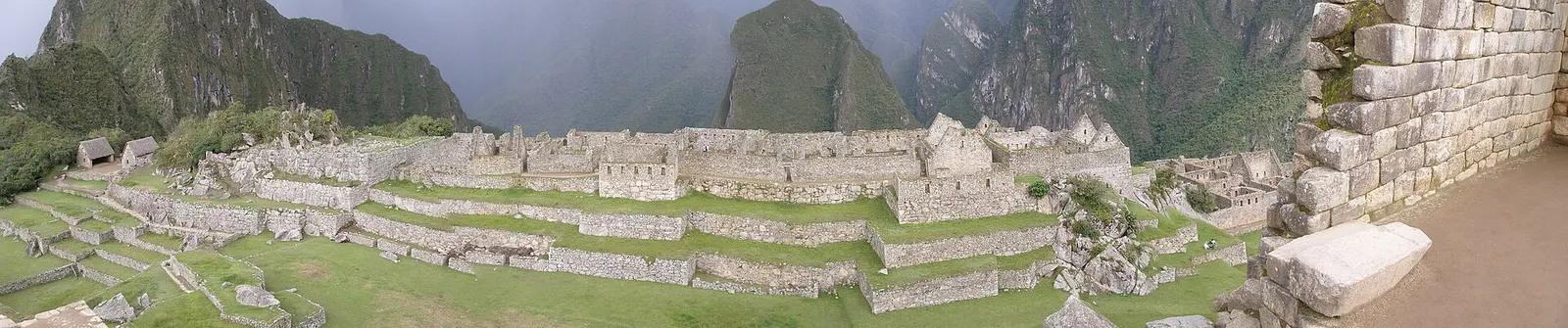
The trek's payoff, arriving at Machu Picchu via the Sun Gate at dawn, works precisely because everything before it was paced correctly. Groups who've rushed the altitude curve tend to arrive exhausted rather than simply tired, and the site — genuinely one of the more remarkable pieces of architecture anywhere — deserves better than being seen through altitude fatigue.
The broader point
Slow travel gets used as a marketing phrase more often than a planning principle, but in the Andes it's close to a physiological requirement. Building three quiet days into a trip's front end isn't a compromise on the itinerary. It's what makes the rest of it work.